The morning air in Rome carries a subtle aroma of freshly brewed espresso, blending with the scent of ancient stone warmed by the primordial sun. As the golden dawn light pierces the shadows of the cobblestone alleys, the distant echo of a Baroque fountain serves as the soundtrack for a city awakening without haste. To walk these streets in the early hours is to witness the gentle rhythm of bakers opening their doors, while a light breeze from the Tiber River brings the crisp freshness needed for a day of intense discovery.
In the monumental piazzas, the shadows of obelisks slowly shrink, revealing the grandeur of facades that guard centuries of secrets and conquests. There is a unique pulse to the Roman rhythm, where the solemnity of history walks hand in hand with the lightness of daily life. The heat beginning to radiate from the terracotta brick walls invites the traveler to slow down, observe the comings and goings of locals, and be guided solely by curiosity and the promise of beauty around every corner.
The Italian capital does not reveal itself all at once; it offers itself in layers of sensory experiences that defy time. To sit on a stone bench in the shade of a stone pine, while the murmur of Italian conversations fills the open-air cafes, is to understand that traveling to Rome is much more than visiting an open-air museum. It is to surrender to an urban choreography where humanity’s most imposing past serves as the backdrop for the simplest, most authentic pleasures of modern life.
Why Rome Enchants Travelers from Around the World
The fascination that the Eternal City holds over the global imagination lies in its unique ability to maintain the past in a constant dialogue with the present. Walking along its avenues, the traveler realizes that history here is not confined to display cases or isolated by velvet ropes; it serves as the very foundation of contemporary life. The same paths where emperors and generals once marched now host street markets, haute couture fashion shows, and the vibrant traffic of Vespas. This historical continuity gives the destination a pulsing and irresistibly charming identity.
Beyond the sheer scale of its archaeological heritage, the Roman soul is deeply shaped by the concept of la dolce vita — the art of enjoying life with elegance and without haste. Local culture values lingering gatherings around the table, the aesthetic appreciation of a Baroque facade, and the pleasure of wandering without a set destination. It is this combination of a magnificent cultural heritage and the warm hospitality of its inhabitants that transforms every stay into a life-changing experience, capable of touching both art enthusiasts and those simply seeking the poetry of everyday life.
Climate and the Best Time to Visit Rome
The seasons paint the urban landscape with distinctly different colors and atmospheres, making trip planning a crucial step in defining your desired experience. Spring, spanning from April to June, is widely considered the most breathtaking period to explore the region. During this time, temperatures are mild and pleasant, ideal for long walks, and the city comes alive with flowers adorning wrought-iron balconies and public parks.
Autumn, especially the months of September and October, rivals spring in beauty. The intense summer heat begins to give way to golden afternoons with a cinematic light that gilds marble facades and imperial ruins. Winter brings cooler, rainier days, but compensates with an intimate atmosphere, quieter piazzas, and the opportunity to experience the destination without the massive tourist crowds, revealing the most authentic and poetic side of the locals’ daily routine.
Discovering the Soul of Rome: Monuments, Landscapes, and Living Culture
The Heart of the Ancient Empire
The monumentality of classical antiquity takes shape in an overwhelming way within the central archaeological area, where ruins tell the story of the civilization that shaped the Western world. Looking up at the scale of the Colosseum brings an immediate understanding of Roman ambition. Just a few steps away, walking among the shattered marble and fallen columns of the Roman Forum and Palatine Hill evokes the sensation of stepping into the epicenter of ancient politics, religion, and commerce, where every surviving stone guards the echo of speeches that changed the course of history.
The Harmony of the Renaissance and Baroque
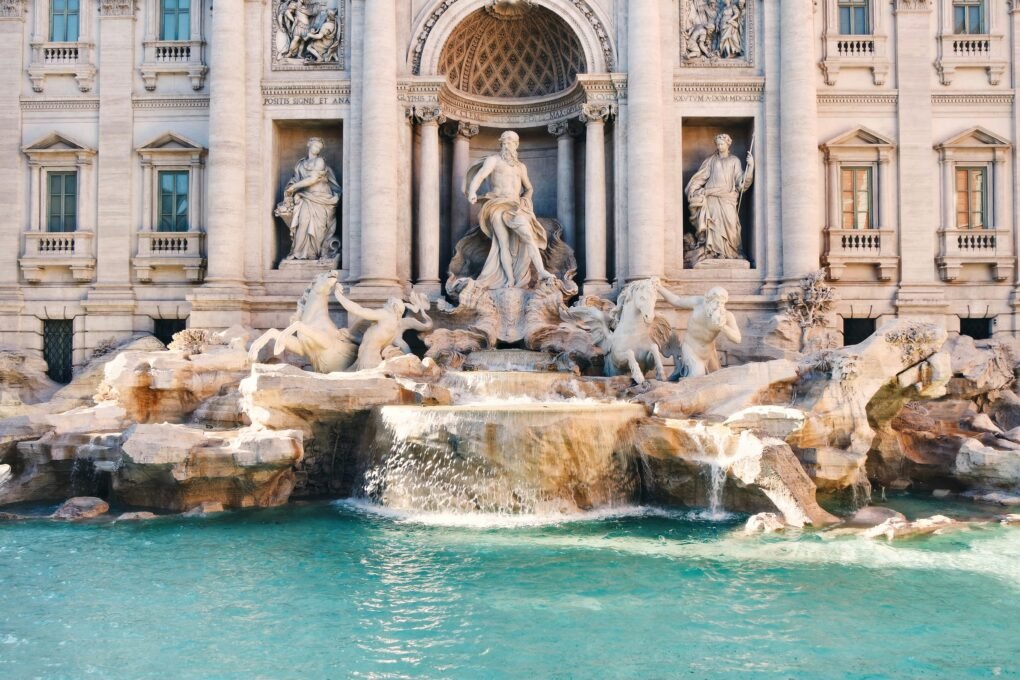
The transition to papal and artistic opulence is felt in the piazzas, which function as true urban living rooms. The Pantheon, with its breathtaking unreinforced concrete dome and the beam of natural light piercing the central oculus, represents the pinnacle of ancient engineering preserved through time. Not far away, Piazza Navona enchants with its sculptural fountains and harmonious Baroque proportions, serving as a frame for street artists and historic cafes. The journey through sculptural beauty reaches its peak at the Trevi Fountain, where the tradition of tossing a coin into the crystal-clear waters becomes a mandatory rite of passage to ensure a return to the city.
Charm Across the Tiber and Monumental Faith
Crossing the stone bridges over the Tiber River leads the traveler to two distinct yet equally fascinating realities. On one side, the sovereign enclave of the Vatican houses the immensity of St. Peter’s Basilica and the artistic treasures of the Papal Museums, culminating in the immortal ceiling of the Sistine Chapel. On the other side, the Trastevere neighborhood preserves a bohemian and medieval atmosphere, with a labyrinth of ivy-covered alleys, hidden shrines, and lantern-lit piazzas where nightlife unfolds warmly, bringing together local youths and travelers in search of authenticity.
Flavors of Rome: Gastronomy, Traditions, and Local Experiences
Roman cuisine is a celebration of brilliant simplicity, where a few high-quality ingredients are transformed into dishes that are true cultural heritages. The local gastronomic tradition is deeply rooted in respect for seasonality and the products of the earth, turning the act of eating into a ritual of connection with the region’s history. Sitting in a family-run trattoria is the beginning of a time-travel journey through the palate, guided by recipes that have crossed generations without losing their essence.
The trinity of Roman pasta sauces exemplifies this culinary philosophy based on what shepherds and peasants had at their disposal in the surrounding hills. The perfect creaminess achieved solely by emulsifying Pecorino Romano cheese, black pepper, and pasta water gives life to the classic cacio e pepe. To this base, the addition of crispy guanciale (cured pork cheek) creates the iconic gricia, which in turn transforms into the famous carbonara with the precise introduction of fresh egg yolks, or into the rich amatriciana when enhanced by the freshness of peeled tomatoes.
Beyond pasta, the gastronomic experience extends through the city’s street corners and historic markets. The aroma of freshly baked pizza bianca, stuffed with artisanal mortadella, invites strategic pauses during exploratory walks. In traditional markets, such as the Testaccio Market, stalls display fresh artichokes ready to be prepared alla romana or alla giudia, alongside succulent supplí — fried rice croquettes stuffed with mozzarella that melts at the first bite. Each meal thus reveals itself to be a living manifestation of Roman identity and pride.
Where to Stay in Rome
Historic Center (Centro Storico)
Staying near the Pantheon or Piazza Navona means completely immersing yourself in the city’s monumental atmosphere, allowing you to explore the main sights on foot. This region features a vibrant and intensely romantic atmosphere, ideal for travelers who prioritize convenience and wish to experience the charm of night lights reflecting off Baroque fountains. Accommodation options here focus on elegant boutique hotels and charming holiday apartments set in centuries-old buildings, with price ranges reflecting the exclusivity of the central location.
Trastevere
For those seeking an experience with more local color and a pulsing nightlife, the medieval alleys of this neighborhood across the Tiber offer the ideal refuge. The atmosphere is marked by a young, artistic, and laid-back spirit, filled with family trattorias, wine bars, and craft markets. The traveler profile choosing this area values cultural authenticity and a bohemian rhythm. Staying costs tend to be more moderate compared to the historic center, with a rich offering of small charming guesthouses and cozy bed and breakfasts.
Monti
Situated a short distance from the Colosseum, this neighborhood perfectly balances classical heritage with contemporary, residential sophistication. Characterized by its narrow cobblestone streets, independent design shops, art galleries, and hip cafes, it attracts urban travelers who appreciate a trendy environment without giving up proximity to ancient archaeology. Accommodation options range from contemporary design hotels to charming studios, featuring balanced prices and excellent connectivity to explore other areas.
Arriving and Exploring Rome
The journey begins to unfold the moment the airplane wheels touch the runway at Leonardo da Vinci–Fiumicino Airport, the region’s main international gateway. Upon arrival, the traveler is immediately enveloped by the dynamic energy that anticipates the grandeur of the destination. The journey toward the urban core becomes a fascinating visual prologue, where the rural landscapes of the Lazio coast gradually give way to the first outlines of ancient terracotta brick walls and the silhouettes of majestic stone pines against the horizon.
Arriving at the central train station inserts the newcomer into the frantic pulse of the capital’s daily life. From this point forward, moving through the city should be embraced as an intrinsic part of the travel experience, not merely as a means of transport. Crossing the urban grid aboard historic trams that rattle gently along iron tracks or observing the ever-changing scenery through the windows of local buses offers unique perspectives on the architectural contrasts that define the destination’s visual identity.
However, the true magic of exploration reveals itself in casual strolls along the dark stone pavements known locally as sampietrini. It is at the rhythm of your own pace that the subtlest details gain relevance: the sound of water gushing from a small neighborhood fountain, the weathered frescoes on the facade of a forgotten palace, and the inviting aroma of a bakery hidden in a dead-end alley. Walking these streets is to allow urban geography to tell its own stories around every corner.
Essential Information for Planning Your Trip
Financial and logistical planning for a stay in the Italian capital involves understanding the practical dynamics of local daily life to ensure a smooth transition between activities. The official currency in circulation is the Euro, and while the vast majority of commercial establishments, trattorias, and museum ticket offices accept credit cards and contactless payments without restriction, keeping a small amount of cash in your wallet proves extremely useful for smaller transactions, such as buying an espresso at the counter of a neighborhood bar or purchasing transit tickets at newsstands.
In terms of average costs, the city accommodates different budgets, allowing for everything from budget-friendly exploration with meals based on excellent local street food to high-luxury experiences in Michelin-starred restaurants and private tours. The ideal recommended length of stay to absorb the grandeur of the main monuments without rushing, while still leaving room in the schedule for unscripted strolls, is around four to five full days of active itinerary.
Packing choices should prioritize thermal comfort and practicality for long journeys on foot. Comfortable shoes with good cushioning are absolutely indispensable items for tackling the uneven cobblestone pavement that lines most of the historic zones. Regardless of the chosen season for the visit, it is highly advisable to include clothing items that cover shoulders and knees, meeting the dress codes required for entering the interior of the countless religious temples and monumental basilicas scattered throughout the urban territory.
Conclusion — The Memory That Remains
Long after returning home, when photographs begin to take on the nostalgic tone of kept memories, what will linger in the traveler’s mind will not just be the grandiose outlines of marble facades or the haughtiness of imperial monuments. The true inheritance of a season on Roman soil resides in the affectionate memory of the late afternoon golden light silhouetting ancient roofs, the echo of footsteps softly resonating along dark stone pavements, and the feeling of having been part, if only for a brief moment, of an urban choreography that has pulsed uninterruptedly for millennia at the heart of civilization.
FAQ: Frequently Asked Questions
What is the best way to travel from Fiumicino Airport to the city center?
The fastest and most efficient way to make this journey is by using the express train that directly connects the airport terminal to the central railway station, completing the route in approximately thirty-two minutes without intermediate stops. There are also shuttle bus options that run the route at more budget-friendly rates, though travel time depends directly on urban traffic conditions on the access roads.
Is it necessary to book tickets for major attractions in advance?
Yes, booking timed-entry tickets in advance is highly recommended and, for extremely high-demand sites, fundamental to secure access and avoid lines that can consume precious hours of your day. This practice applies especially to guided tours of imperial archaeological spaces and the pontifical museum complexes, whose tickets routinely sell out weeks in advance during peak seasons.
How does the urban public transportation system work in the city?
The integrated urban transport system encompasses metro lines, conventional buses, and electric trams that share the same type of unified ticket. Tickets have a time validity starting from the first validation on board the machines and must be purchased beforehand at tobacco shops (tabacchi), newsstands, or automated machines located in stations, as they are not sold directly by drivers inside the vehicles.
Is it safe to drink water from the public fountains on the streets?
Yes, the hundreds of small iron fountains affectionately known by locals as nasoni offer potable, fresh, and excellent quality water completely free of charge. These fountains are part of the historic urban supply network and represent an excellent convenience for travelers to refill their reusable bottles during their exploration walks throughout the day.
Do restaurants usually charge a service fee or cover charge for meals?
The vast majority of trattorias and restaurants apply a fixed per-person fee known in local culture as pane e coperto (bread and cover charge), which covers table service and the bread served as an appetizer. This charge is clearly broken down on the menu and the final bill, removing the obligation to leave large additional tips, though rounding up the final bill is interpreted as a polite gesture of satisfaction.